

NIL · September 4, 2026
How NIL Photo Rights Actually Work (A Plain-Language Guide)
I get asked about this more than almost anything else these days. An athlete signs an NIL deal, a brand wants photos, and suddenly everyone's throwing around words like "usage rights" and…
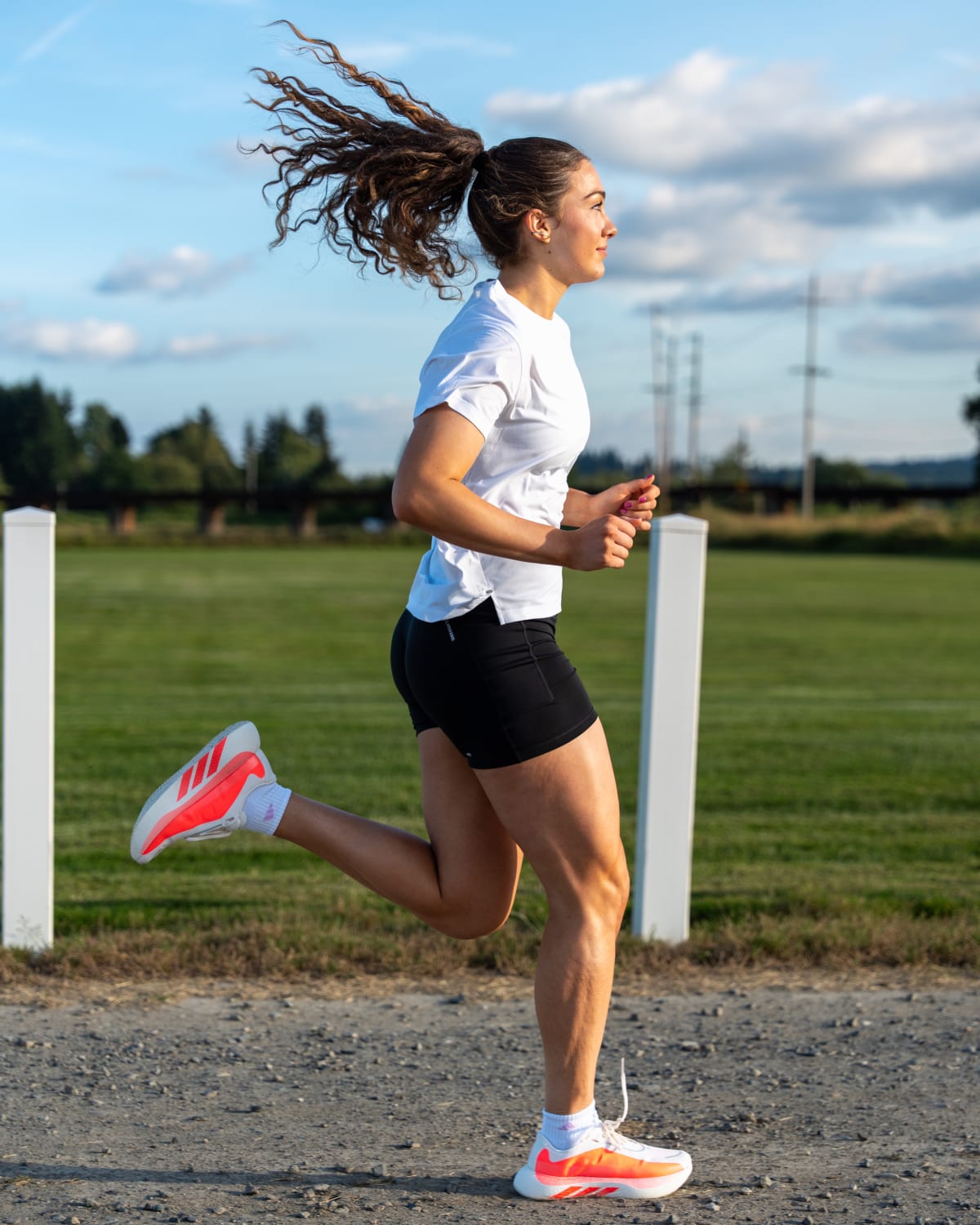
I get asked about this more than almost anything else these days. An athlete signs an NIL deal, a brand wants photos, and suddenly everyone's throwing around words like "usage rights" and "licensing" like it's obvious what they mean. It's not. I didn't fully understand it either until I started shooting for athletes who actually had deals on the line — most recently Sophie, who has an adidas deal and I shot with her out in Snohomish.
So let me break down how this actually works, from the photographer's side and the athlete's side, without the legal jargon.
Who owns the photo when I take it
Under copyright law, the person who presses the shutter owns the image. That's me. Doesn't matter if you're the one in the photo, if you paid for the session, or if it's your face on every frame — the copyright belongs to the photographer unless there's a written agreement that says otherwise.
This surprises people. An athlete will assume that because they're the subject, they automatically own the photo and can do whatever they want with it. They can't, not without permission. What they get, typically, is a license to use the image — meaning I'm granting them permission to use it for specific things, not handing over ownership.
So what's a "license" actually cover
This is the part that matters for NIL specifically. When I shoot for an athlete, we're not just talking about "can I post this on Instagram." A license spells out:
- Where the images can be used — personal social media, a brand's marketing, a team's website, a billboard, a trading card, whatever the actual use case is.
- How long the license lasts — some are unlimited, some are tied to a specific campaign or season.
- Whether it's exclusive or non-exclusive — meaning can the brand use it and stop other companies from using the same shot.
For most of the portrait and headshot work I do, the license is broad and simple: personal use, social media, maybe a resume or a coaching profile. Nobody's overthinking it. NIL work is different because there's money attached to the image, and money attached to an image means somebody, somewhere, wants that spelled out in writing before the shoot happens, not after.
Where this gets messy in real NIL situations
Here's a scenario that comes up: an athlete has an NIL deal with a brand, and the brand wants to use photos from the athlete's own portfolio — photos I shot for the athlete personally, not for the brand. If the license I gave the athlete was just "personal and social media use," technically the brand using it for a paid campaign is outside of that. Nobody's usually trying to screw anyone over here — it's just that nobody thought about it upfront.
This is exactly why, when I know a shoot is NIL-related going in, I ask what the images are actually going to be used for before we shoot, not after. If Sophie's adidas deal means the shots might end up on adidas's own channels and not just hers, that's a different license than a standard portrait session, and it should say so in writing.
What athletes should actually ask their photographer
If you're an athlete with an NIL deal, or hoping to land one, here's what I'd tell you to nail down before you book anyone:
Ask who owns the copyright — assume it's the photographer unless told otherwise. Ask exactly what the usage license covers — personal use is not the same as commercial or brand use. Ask if the license is time-limited or has restrictions on how the images get edited, cropped, or reused by a third party. And get it in writing, even if it's a simple one-page agreement. A verbal "yeah, use it for whatever" from a photographer isn't a license a brand's legal team is going to accept, and it's not going to protect you if a dispute comes up later.
What photographers should be doing
On my end, the responsibility works the other way. If I know a client has an NIL deal, I'm not handing over a blanket "do whatever you want" release, because that gives away rights I don't need to give away and it also doesn't protect the athlete if a brand tries to use the images in ways nobody agreed to. I'd rather have a short conversation up front — what's this for, who else might use it, is there a brand attached — than get an email six months later asking why a photo showed up somewhere nobody expected.
I have a standard NIL usage release for exactly this reason. It spells out where the images can be used, how long the license runs, whether it's exclusive, and what can and can't be done with the images afterward — cropped, edited, or re-purposed by a third party. Any time I know NIL is part of the picture, that release goes out before the shoot, not after.
Where this leaves things practically
Most of my work isn't NIL-specific. I shoot headshots, couples sessions, portraits, and Seattle University Women's Soccer action photos where usage is straightforward and nobody's worried about licensing disputes. But NIL has made me more careful across the board about saying, out loud, before the shutter clicks: what's this for, and who's going to use it. That one conversation solves most of the problems before they start.
If you're an athlete building a portfolio for NIL purposes, or a brand trying to figure out what a photo shoot with a college athlete needs to look like from a rights standpoint, it's worth asking those questions before you book, not during the shoot. Either way, ask.