Sports · September 17, 2026
Why the A7IV Ended Up My Sideline Camera
I get asked about gear more than almost anything else, usually by a parent standing next to me on the sideline at a Seattle University match, phone out, watching me chew through a game at whatever…
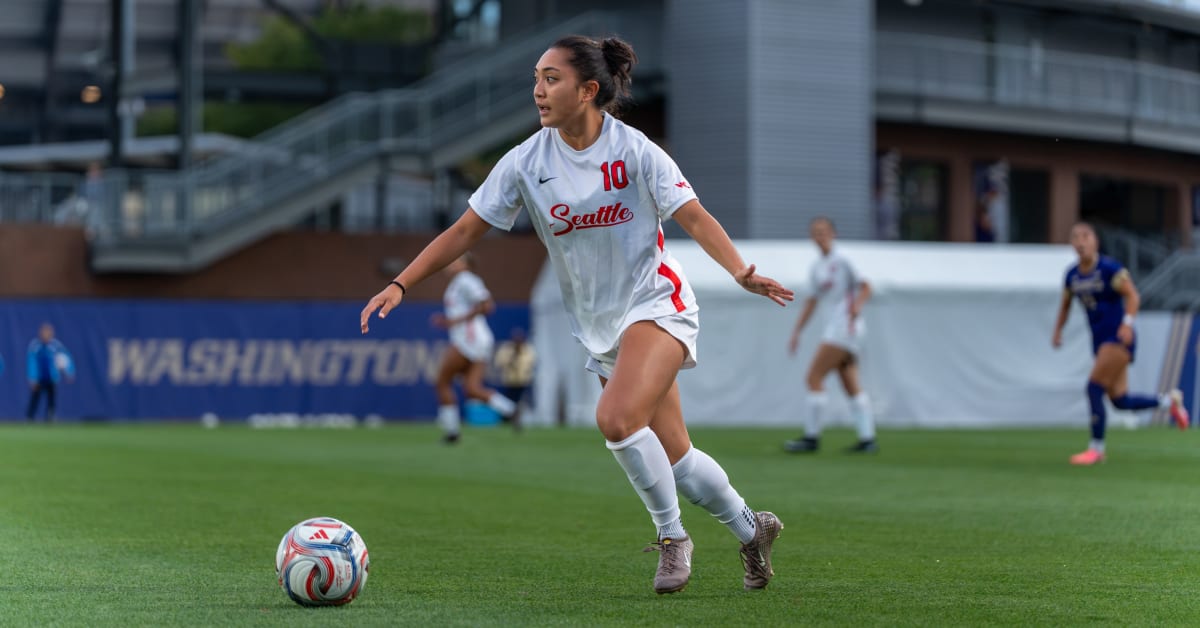
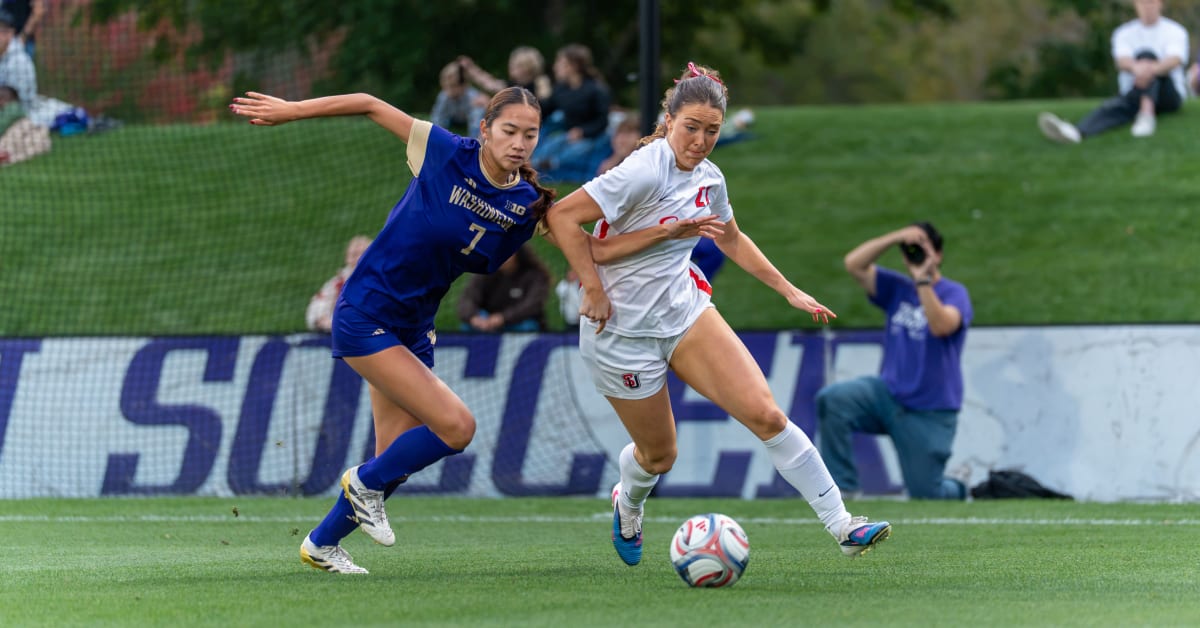

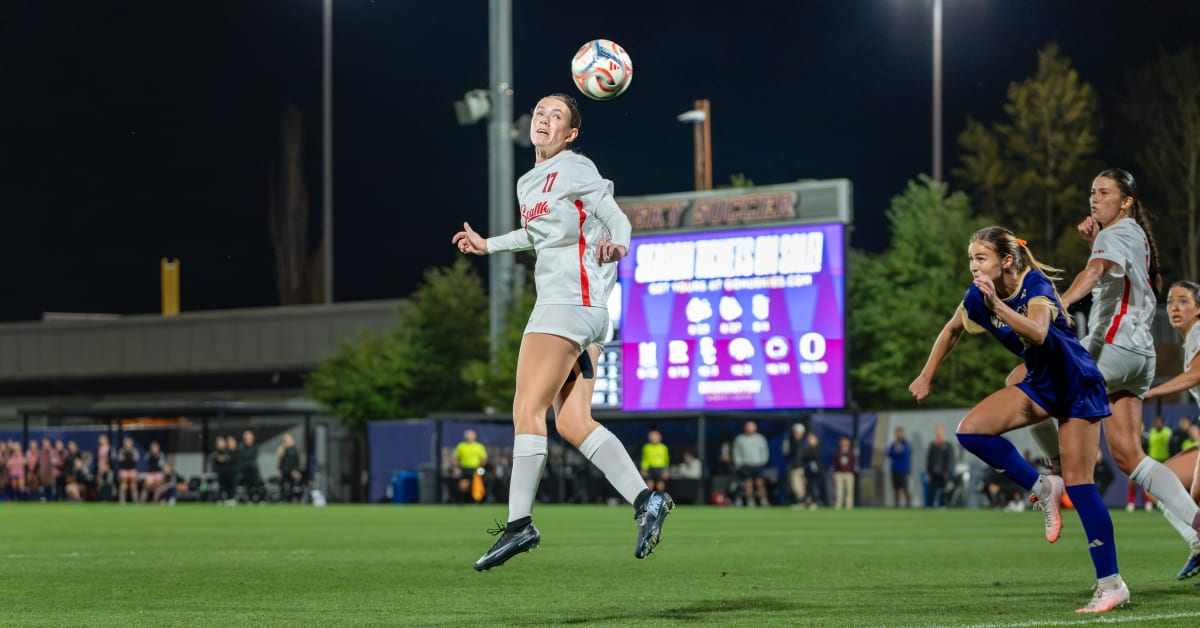

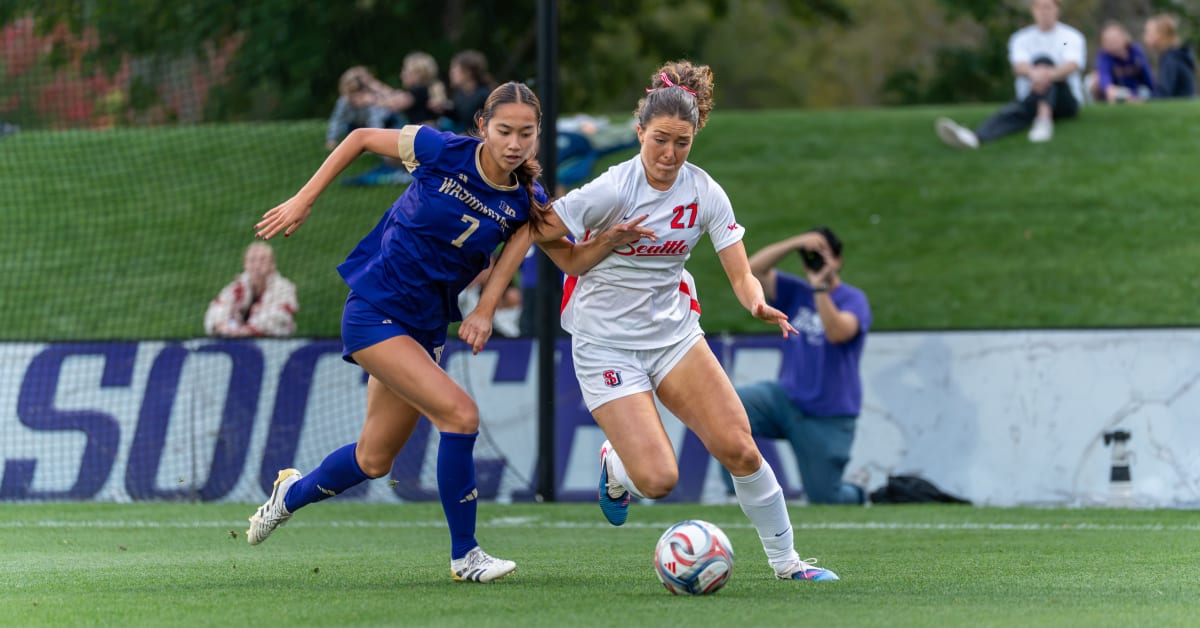
I get asked about gear more than almost anything else, usually by a parent standing next to me on the sideline at a Seattle University match, phone out, watching me chew through a game at whatever frame rate I'm shooting that day. The short answer is Sony A7IV, one lens I basically never take off it for soccer, and a lot of trial and error before I landed there.
I didn't start with this setup. I started with a Nikon DSLR, shooting my sister's club games because I wanted to and because nobody was paying me to be there. That camera was fine for practice, but it made me sloppy about timing — I'd machine-gun the shutter and hope one frame out of thirty landed in focus on the right player. That works until you're trying to deliver a folder of usable images to a family who wants the one shot of their kid mid-strike, not thirty near-misses.
By the time this became real, paying work — shooting my sister's games at Seattle University — I needed a body that could keep up with a sport that doesn't pause for me. Soccer is the only sport I shoot right now, and it's a demanding one for a camera. Players are running full speed, the ball changes direction in a fraction of a second, and the moment you actually want — foot connecting with ball, keeper diving, a header at the top of its arc — lasts about a tenth of a second. If your autofocus hunts even slightly, you're done. You got the frame before or the frame after, and neither one sells.
The A7IV's autofocus tracking is the reason I moved to it. It locks onto a player and just stays there, even when they're crossing in front of another player or running through shadow on one side of the field and sun on the other — which happens constantly at a lot of the fields I shoot, where half the pitch is lit differently than the other half depending on the hour. I can trust the camera to hold focus on the person I picked, not the grass, not the ref, not the kid running past in the background. That trust is what lets me actually watch the play develop instead of babysitting the focus point.
The other thing that matters more than people expect is buffer depth. Early on, I'd get into a good sequence — a run down the sideline, a cross, a shot on goal — and the camera would choke halfway through because the buffer filled up and it needed a second to write to the card. That second is exactly when the goal happens. The A7IV lets me shoot through those sequences without stalling, which sounds like a small thing until you've lost the actual goal to a full buffer.
As for the lens — Sigma Sport 70-200mm 2.8 is what's lived on that body for the better part of two seasons now. What I care about with a sideline lens isn't just reach, it's how fast it can react. Soccer doesn't happen in one spot. Play swings from one end of the field to the other, and I'm usually not allowed to just walk onto the pitch to get closer, so I need something that lets me stay put on the sideline and still get tight on a player forty or fifty yards away without losing autofocus speed to get there. A slower lens, or one that's soft wide open, will cost you sharpness right in the moment you need it most — mid-stride, ball just leaving the foot.
None of this replaces knowing the sport. I know where a corner kick usually goes, I know a counterattack forming before it fully develops, and that's from actually watching a lot of soccer, not from gear. But the camera and lens are what let me act on that read fast enough to catch it. I've had games where I got maybe three real frames of a play I was watching build for ten seconds — that's the margin we're talking about, and it's why I don't mess around with the setup once I've found something that keeps up.
If you're curious about NIL or team action work, that's the same kit I bring to those sessions too — Either way, the gear talk is really just a means to an end: getting the one frame that actually looks like what the game felt like.